July 31, 2019 at 4:11 pm
· Filed under Archives, Conferences, Internet Governance, Legal News, Privacy
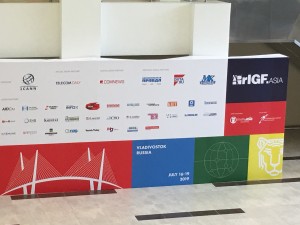 2019 Asia Pacific Regional Internet Governance Forum (APrIGF 2019) was held in Vladivostok, Russia, from 16 to 19 July 2019. The overarching theme for the event was ‘Enabling a Safe, Secure and Universal Internet for All in Asia Pacific’, with the sub-themes being: Safe Internet, Cyber-security & Regulation; Access & Universality; Emerging Technologies & Society; Evolving Role of Internet Governance & Multi-stakeholder Participation; and Digital Economy.
Prof. Xue gave a keynote speech at the Capacity Building Day on July 16 and talked about “Consumer Protection in E-commerce”, which as hailed by all the young fellows and other participants as very inspiring and forward-looking. Prof. Xue answered many questions and comments regarding data protection, consumer rights and other Internet legal issues.
Prof. Xue was invited to be an expert panelist at the Workshop “A roadmap for studying ICT laws and building a database for Asia” organized by Association for Progressive Communications (APC) on July 18 and talked about the importance of building a people-centered and right-based legal framework for cyberspace. The session addresses the sub-theme on Safer Internet, Cyber-security and Regulation Online. It aims to encourage discussion on the growing number of policies, regulations and laws in Asian countries that seek to monitor and regulate the internet and the impact of these legislation on information and privacy among others. Of key importance is also our intended discussion on how we can build alliances with civil society, academia, journalists, the technical community and lawyers in order to create a multidisciplinary approach to challenge these laws where necessary, through creating awareness, bridging gaps in our understanding of these laws, not just among the various actors but also among a wider audience, and providing support to strategic litigation in different countries, with the ultimate aim of pushing for a regulatory framework that enables a more open, safe and secure internet.
Prof. Xue also actively took part in the discussion for the Synthesis Document
 , which aims to document items of common interest relevant to Internet governance in the Asia Pacific region and has developed into one of the highlight innovations of the APrIGF and inspired other national and regional initiatives to develop their own processes.
Permalink
July 21, 2019 at 4:25 pm
· Filed under Archives, Conferences, Intellectual Property, Internet Governance, Legal News
 The World Trade Organization invited Prof. Xue to give two keynote speeches at the 16th Colloquium for Teachers of Intellectual Property in Geneva. The two-week colloquium for teachers of intellectual property (IP), jointly organized by the WTO and the World Intellectual Property Organization (WIPO), opened in Geneva on 17 June 2019. The event aims at helping teachers from developing countries and economies in transition to become more aware of the Geneva institutions, negotiations and other activities concerning intellectual property law and policy and to strengthen their countries’ independent research, policy analysis and teaching. Xiaozhun Yi and Mario Matus, Deputy Directors-General at the WTO and WIPO, opened the two-week course at WIPO headquarters. They highlighted the importance of this event, which brings together 29 IP scholars and teachers with a strong background in IP and responds to the growing demand for enhanced awareness of IP issues.
The programme included a wide range of IP policy and legal issues, such as IP and public health, IP and e-commerce, IP and biotechnology, IP and artificial intelligence, and IP and blockchain. More than 40 experts from WIPO, the WTO, partner intergovernmental organizations, non-governmental organizations and various fields of industry addressed participants to keep them up to date with the key issues and challenges confronting IP law and policy. Prof. Xue presented on “IPR Issues in the Digital Economy” and “Copyright Issues in E-commerce” on June 17 and 18 respectively. The keynotes were warmly welcomed by all participants. Prof. Xue responded to all the questions with great enthusiasm.
Participants were provided with an update on the activities and instruments of WIPO and the WTO, focusing on policy issues under negotiation or discussion in the two organizations, and placing these issues in their wider legal and policy contexts. The colloquium strengthened the capacity of universities to develop national expertise in IP, thereby building their capacity to provide policy support for current negotiations or discussions in WIPO and the WTO.
Prof. Xue was also invited the WTO Intellectual Property Department to provide a presentation at the “IP & TRADE POLICY TODAY” SEMINAR SERIES on June 20 in the WTO Room A. The Seminar series are s a series of informal conversations about the interaction between intellectual property and international trade in today’s global economy. Prof. Xue’s topic is “Intermediary Liability in the Platform Economy: A Key Issue for Intellectual Property Law Regimes”. Prof. Xue addressed that the operators of platform economy provide tens of millions of parties with virtual business premises and with deal-making, information dissemination and other related services, and enable them to independently engage in transactions. The operator plays a vital role in intellectual property protection. Online intermediary liability is the concept of holding online platform operators responsible for illegal or harmful acts of Internet users. An appropriate liability regime for platform operators should recognize the importance of keeping a balanced approach between IP right holders and business operators. The platform operator should be incentivized to cooperate with IP right holders to deter the unauthorized storage and transmission of IP-protected materials. Meanwhile, IP right holders should be granted effective enforcement procedures against infringement. While legal remedies are available for right holders to address such infringement, platform operators should be eligible for appropriate safe harbors in respect of online services which they do not control or initiate and that take place through the system or network controlled or operated by them or on their behalf.
The Seminar was held during the WTO E-commerce Negotiation period and attracted the official delegates from more than fifty countries from Asia, Europe, Latin America and Africa to take part. The Head of IPD and other officials gave very high remarks to the insightful and innovative presentation, which was followed with the interesting and fruitful interactions with the delegates and IPD officials.
IP TRADE POLICY TODAY – Prof. Dr. Hong XUE
Permalink
June 5, 2019 at 10:56 am
· Filed under Archives, Conferences, Intellectual Property, Legal News
 2019中国电子商务大会电商法论坛于2019年5月29日下午在北京国家会议中心举办,论坛邀请政府相关主管部门、《电子商务法》立法专家、电商企业代表出席,深入解读探讨,共促行业规范发展。商务部电子商务和信息化司副司长蔡裕东、北京市商务局副巡视员王洪存出席论坛并致辞。论坛由商务部电子商务专家咨询委成员、亿邦动力董事长兼CEO郑敏主持。
2018年8月31日,第十三届全国人民代表大会常务委员会第五次会议通过了《中华人民共和国电子商务法》(以下简称《电子商务法》),2019年1月1日正式实施。作为我国首部电子商务领域综合性法律,《电子商务法》的出台标志着中国电子商务进入历史发展新阶段。
《电子商务法》起草专家北京师范大学教授薛虹,从《电子商务法》电子商务知识产权保护制度的新发展等角度深入解读。国家市场监管总局网监司副司长韦犁、中国消费者协会副秘书长董祝礼、苏宁易购集团法务总监吴振兴,分别作为政府主管部门、行业组织、电商企业代表发表主题演讲。为推动《电子商务法》落地实施、加强消费者维权意识、促进企业落地实践提供参考。
会上,商务部电子商务司发起电子商务绿色发展倡议,号召各电子商务企业戮力同心、不懈努力,积极探索电子商务绿色发展道路。商务部电子商务司蔡裕东副司长与首批响应倡议的阿里巴巴、京东、苏宁易购,唯品会,美团点评、饿了么、小米,三只松鼠等企业代表一齐启动发布装置,宣示共同促进电子商务绿色发展。
2019中国电子商务大会由商务部、北京市人民政府主办,商务部电子商务和信息化司、北京市商务局承办。大会以“数据驱动 开放融合”为主题,邀请国内外政府主管部门和行业组织、企业领袖、权威专家汇聚一堂,围绕中国电子商务发展趋势、“丝路电商”国际合作、《电子商务法》、电商扶贫、跨境电商、数字化零售、电商诚信等热点主题展开探讨,共议全球电子商务发展前景。薛教授对于本次会议的贡献,商务部特别发出感谢信,以兹鼓励。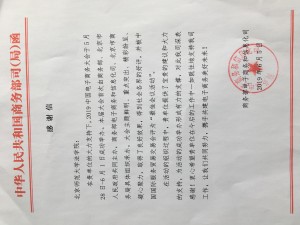
Permalink
June 5, 2019 at 10:48 am
· Filed under Archives, Conferences, JCP: Joint Certificate Program on International E-Commerce Law, Legal News
-300x200.jpeg "合影(1916)") 2019年5月25日至26日,知识产权模拟法庭大赛在北京外国语大学日本研究中心举行,系由最高人民法院、国家知识产权局与北京外国语大学共同举办的国际性知识产权英文模拟法庭竞赛,目的是为了展示我国知识产权法律发展所取得的成果,促进中外知识产权法律界的交流,推动我国知识产权制度与实践的国际化。
2019年5月25日至26日,知识产权模拟法庭大赛在北京外国语大学日本研究中心举行,系由最高人民法院、国家知识产权局与北京外国语大学共同举办的国际性知识产权英文模拟法庭竞赛,目的是为了展示我国知识产权法律发展所取得的成果,促进中外知识产权法律界的交流,推动我国知识产权制度与实践的国际化。
北京师范大学代表队从参赛的美国托雷多大学、我国台湾地区东吴大学、中国政法大学、中南财经政法大学、华东政法大学、北京理工大学、北京师范大学、外交学院、复旦大学、长春理工大学、北京外国语大学等众多团队中脱颖而出,表现优异,获得优秀奖。
法学院薛虹老师接受学院学生会的委托,担任北京师范大学代表队指导教练,付出大量时间辛勤指导每个队员提高英文口头表达水平、磨炼英文辩论技巧,多次组织校内模拟训练、对抗训练,总结分析案例的要点与主要法律观点。经过艰苦训练两个多月,法学院本科生林心怡、王冬玉、杨晶仪、赵梓惟四位队员获得优异成绩,得到各方的普通赞誉。法学院法律硕士代天宇、臧珍国同学也在训练中努力协助,为本科生队员的成绩取得作出贡献。
本次比赛围绕“被诉侵权产品是否构成专利侵权”的核心议题,在专利权法领域讨论了等同侵权的判定原则、禁止反悔原则的适用条件等问题,结合案情锻炼参赛队员的法律条文和原则的运用能力。队员们需要对所涉技术特征进行比对,陈述和辩论的难度都大大超过以往。
本次比赛成绩的取得得益于北京师范大学对于模拟法庭和学科竞赛等实践教学模式的重视,得益于薛虹老师在理论与实务上的悉心指导与法学院本科生英语功底。今后学校将一如既往地重点支持传统优势竞赛项目,并力争在更多竞赛项目中取得好成绩
Permalink
April 19, 2019 at 3:46 pm
· Filed under Archives, Conferences, Legal News
 第六届APEC电子商务工商联盟论坛于2016年6月28日-30日在福建省晋江市举行,论坛主题为“跨境电子商务促进普惠贸易”。本届论坛由亚太经合组织(APEC)和中国商务部主办,中国国际电子商务中心、APEC电子商务工商联盟、晋江市人民政府承办。据悉,该论坛是当前国际电子商务领域由官方主办的顶级论坛之一。北京师范大学互联网政策与法律研究中心主任薛虹在第六届APEC电子商务工商联盟分会论坛做主题演讲。
薛虹表示,我们还需要更加有效的协调各个国家的法律,建立法律之间的连接,促进各国法律的合作,来真正把跨境无纸化贸易推到国际贸易更大的舞台。
以下为演讲实录:
非常感谢,我非常赞同前一位嘉宾提到的关于未来电商发展的未来,的确电子商务它对国家,对于全球经济都会产生深远的影响,很多都会被彻底颠覆,它跟我们每一个人的生活息息相关,新经济需要新的法律来支持,的确,只有这样才能更好的契合社会规则,让电子商务更好的发展。中国目前就在起草相关的电子商务法,我会和大家分享一下。
谢谢各位领导和嘉宾。我简要地介绍一下中国正在进行的电子商务法的一个情况,这将是中国一部非常重要的法律,尤其是对中国电子商务的发展将起到重要的作用。中国是世界第二大经济体,而且在电子商务领域发展是蓬勃向上。我们注意到电子商务涉及到很多的法律领域,涉及到复杂的社会关系,因此,调整电子商务领域不能够局限于一个单独的法律部门,因此我们这次新的电商法的立法创新了法律的体系,采用了新的立法体系,这个是在中国和全世界的电子商务立法中前所未有的,我们认为这个是实质性的制度创新,也是中国对全世界法制文明的新贡献。
我们把整个电子商务法分成四类,一个是传统的交易法律,这个是非传统的法律领域存在的法律,只不过电子商务改变了过程传统的方式,虽然有一些新的问题,但是通过延展原有的法律规范是可以实现。在这个领域里我们注意到已经出现了一些新的问题,比如所谓的数字产品,数字内容交易的问题,比如虚拟财产的问题,这也是我们这部法希望作出的规范性的创新。另外一类法律是非常重要的,但只在现有法律体系上尚未确定,称作为支撑性法律,是真正支撑在互联网上以电子的形式达成交易,所必须的法律规范,最突出的两个方面我们称作支撑的两类,一个是关于电子支付的法律规范,第二类是关于物流快递的规范,如果没有他们,那么达成的契约不能完全,彻底,纯粹的以电子化的方式实现。
另一类法律是环境性的法律,这个是为了保证电子商务在一个健康的环境中运行,我们整合很多法律部门,这个不是要取代和重复现有的法律,我们只是把电子商务相关的法律规范集中一起,把整个电子商务的生态环境充分地可预见的保障,主要涉及到消费者保护、市场秩序以及争议解决等有关问题。
最后一类是和我们今天主题相关,是促进电子商务的规范。
但是跨境电子商务是任何一个国家的任何立法都无法实现的,中国在电子商务章节中设计了很多新的法律规范,全面有效的实施了WTO其中关于单一窗口有关制度的要求,应该是一部合格的现代化的法律规范的体系。但是,中国一国在这方面的立法并不能够解决中国企业走出去在全世界参与竞争所需要的法律。我们也注意到在跨境电子商务领域有三个最突出的法律问题和法律需求。第一个问题是关于跨国的电子交易的法律,基础性的法律现在现在已经横在了联合国在2015年达成的所用电子通讯的公约,它已经有七个成员国,在亚太地区,我们已经加入到以解决国际交易的问题。除此之外,还有一些新兴的领域尚且没有具体的国际法的规范,比如关于身份管理的法律,这个是真正解决互联网上交易的真实性的问题。比如关于数字产品和数字内容的跨国交易的问题,它的有效性性和可执行性的问题,我们需要作的是进一步的有效发展。关于最近达成的电子性的可转移记录进行的示范法,这一部分是进一步发展的问题。
第二个方面则是极大的挑战,跨境的数据流通,目前没有全球性的真正多边的有关法律体系框架,这一方面是对跨境电子商务至关重要,因为跨境电子商务涉及到商品的流通,资金的流通和数据的跨境流动,没有这方面的国际法律作为依据,发达经济体已经通过协议的方式试图解决这一方面的问题,比如在今年五月美国和欧盟进一步更新了原有的安全港的协议。但是,像新兴经济体和发展中经济体目前没有这样的国际协议。
第三个方面是注重要强调的方面,这个不同于国际交易法有了很好的基础,也不同于数据流通,目前处于空白第三个方面就是跨境无指化贸易是处于发展中的领域,而且新兴的法律规范层出不穷,最突出的当然是2013年底世界贸易组织在巴厘岛所达成的贸易便利化协定,中国是这个协定的签署国,并且也批属了这个协定,对贸易有很大的推动作用。
另外一个,我需要强调的是这个是非常全新的法律文件,在全世界第一次关于跨境专门的无指化的贸易便利化的一个协议,它是联合国亚太经济理事会于今年五月份才形成的一个文件,全程是跨境无纸化贸易跨境协议,这个协议还没有生效,但是真正解决了我们在跨境无纸化过程中最突出的一个问题,现在各国都实行了电子化贸易的措施,实行了自己的单一窗口,但是这些单一窗口都不能彼此沟通,各个国家需要法律的连接才可以真正实现跨境的交易,在符合法律的合法合规性方面,能够完全在网上完成,因此这个最突出的一个法律设计就是它规定一个成员国一定要承认来自另外一个成员国的数字化的文件和信息,这有一个条件,至于什么是实质性的可比较的信任程度,这要取决于如下方法,比如成员国之间可以通过现有的服务贸易来执行它,也可以通过现在正在蓬勃发展的区域性的贸易协定比如正在进行中日韩澳大利亚与东盟国家正在谈判的广泛经济合作伙伴协议。当然,包括我们已经存在的区域化的协议。当然了,最主要实现方面是这个框架协定要制定进一步的制订出,来明确什么是实质,可比的可信程度,这样可以让跨境的无纸化贸易的设施彼此信任,彼此沟通。
最后,我们也欢迎APEC经济体使用在亚太区域长期存在的一个无纸化的专家网络,它提供各个方面关于无纸化贸易的信息,其中担任负责人的法律组愿意为大家努力建设作更多的贡献。
谢谢大家。
我的结论是现有的国际法律已经构建了基本的法律框架,但是我们还需要更加有效的协调各个国家的法律,建立法律之间的连接,促进各国法律的合作,来真正把跨境无纸化贸易推到国际贸易更大的舞台。
Permalink